
Artificial Intelligence in Business & MLOps
Use machine learning on your own data to automate routine decisions and forecast outcomes, and run those models reliably in production on AWS or Azure.
Our Artificial Intelligence In Business & MLOps Competencies
We build, deploy, and operate machine learning models on Azure Machine Learning and AWS SageMaker, then integrate OpenAI and Azure OpenAI into the workflows your teams already use.
Competitive Edge
Creating and deploying machine learning models on AWS and Azure's purpose-built Artificial Intelligence services and thorough ML tools, like AWS SageMaker and Azure Machine Learning, makes machine learning in business quick, repeatable, and maintainable. These platforms give you a real edge by speeding up development. Your team stays focused on what matters rather than managing infrastructure.
Valuable Insights
Artificial intelligence in business is transforming how companies operate. Machine learning algorithms on both AWS and Azure analyze your data to deliver powerful insights and accurate forecasts, enabling confident, data-driven decisions. Whether using AWS’s ML tools or Azure AI services, businesses gain the ability to understand trends, predict outcomes, and optimize operations with precision.
Purpose-Built Tooling
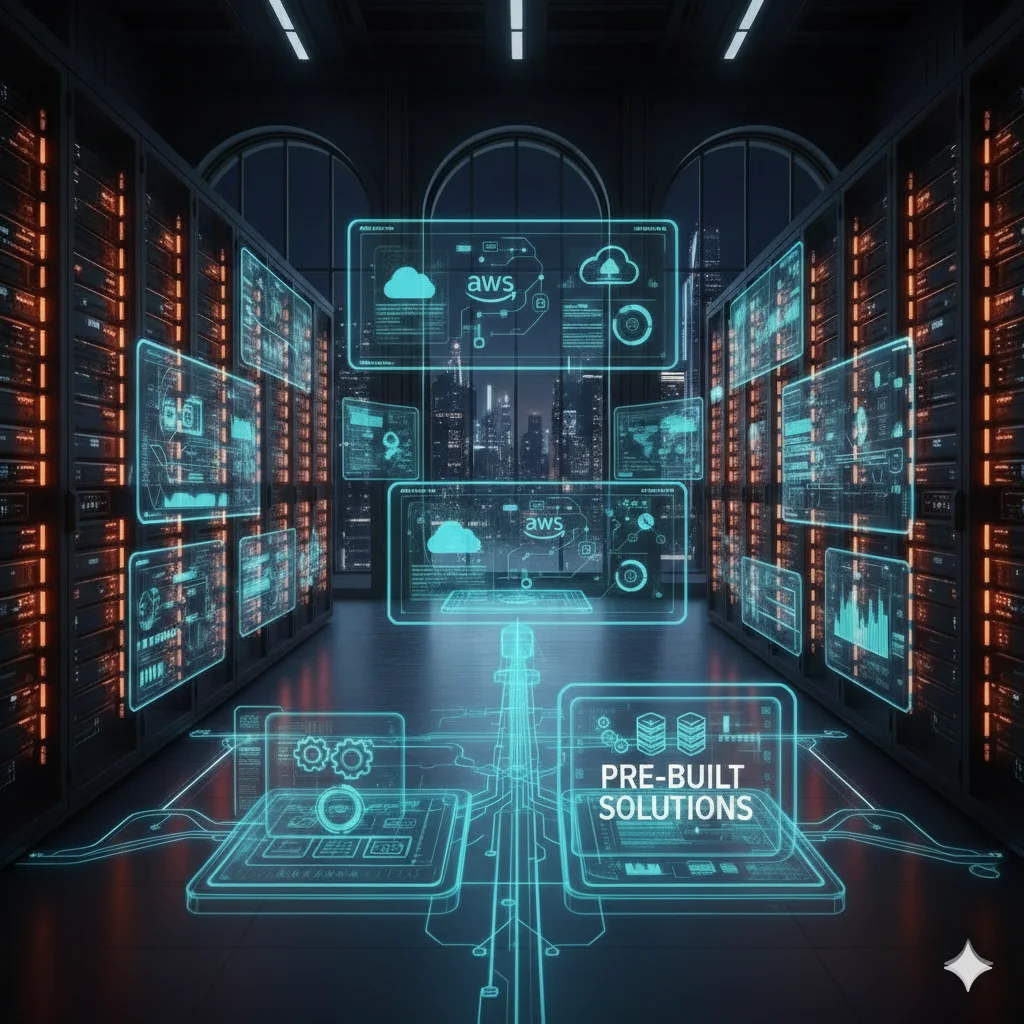
AWS and Azure offer managed services for many common AI tasks, including image and video analysis, language processing, document extraction, forecasting, and personalization. Alongside these, Amazon SageMaker and Azure Machine Learning provide the tooling to build, train, and operate custom models when a managed service does not fit.
ML Integration Without the Friction
AWS and Azure offer strong ML and MLOps services that connect to your existing systems without major refactoring. Both platforms support Bring Your Own Model and give you a wide ecosystem of tools, so embedding machine learning into current workflows is a matter of engineering, not a rewrite.
What We Do
We take machine learning from a proof of concept to a production system, covering model development, MLOps pipelines, and monitoring so predictions stay accurate over time.

Machine Learning
We work with your team on feature engineering and selection, then train, test, and deploy models with tools such as Amazon SageMaker, Azure Machine Learning, and TensorFlow/Keras. If you already have a model, we can take it from a notebook to a managed, monitored deployment. Where a managed AI service already solves the problem, such as Amazon Textract or Azure AI Document Intelligence for document extraction, we recommend it instead of building a custom model.

MLOps
MLOps sits between data engineering, software delivery, and operations, and our team works across all three. We set up versioned training pipelines, automated deployment with approval gates, and production monitoring for latency, errors, and data or prediction drift, so a model can be retrained and redeployed as routine work rather than a special project.

Advanced Analytics & Visualization
A model or analysis only helps if the people using it understand what it says. We apply descriptive statistics, regression, and forecasting methods such as time-series models, and present results in dashboards and plain-language summaries your business users can act on and question.

Data Governance
Models are only as trustworthy as their training data. We help you set data quality rules, catalog data sets and their owners, and control who can access sensitive data. These controls can support obligations under frameworks such as GDPR, HIPAA, or PCI DSS, but compliance also depends on your wider policies, so we scope this work with your compliance owners.

Generative AI
We help you pick generative AI use cases worth pursuing, prototype them quickly against your own data, and take the ones that prove useful into production with the same monitoring and governance as any other system. See our dedicated Generative & Agentic AI page for more detail.
Benefits of Artificial Intelligence & MLOps
ML models that retrain on new data automatically, drift detection that catches degradation before it affects decisions, and deployments your team can own without specialist intervention.
Smarter and Faster Decision Making
Models that analyze large volumes of data can surface patterns and forecasts that support faster, better-informed decisions.
Automated and Efficient Operations
Automating repetitive, rules-heavy tasks frees staff for work that needs human judgment.
Consistent and Reliable Model Performance
Monitoring and scheduled retraining keep models accurate as real-world data changes.
Scalable AI Solutions Across Teams
Shared pipelines and model registries let one team's work be reused across departments instead of rebuilt.
Reduced Risk and Faster Deployment Cycles
Automated testing and deployment shorten the gap between a validated model and one that is running in production, and make rollback straightforward.
Improved Customer Experience
Personalization and prediction models can tailor recommendations and anticipate customer needs, when trained and monitored responsibly.
How We Achieve Results
We start by scoping a real business use case, then move through model development, MLOps pipeline setup, and production monitoring, so each model earns its place in your workflow instead of staying a proof of concept.

Start From a Real Business Use Case
We begin with one specific decision or process the model should improve, and agree how success will be measured before any modeling starts. That keeps the project tied to a business outcome instead of becoming an open-ended experiment.

Data Readiness Before Modeling
We check whether the data needed for the use case exists, is accurate enough, and can legally be used for it. Gaps found here are cheaper to fix now than after a model has been trained on them.

Governed, Secure Data Operations
Training data, features, and model outputs are handled with access controls, lineage, and audit logging, so you can explain where a prediction came from and who could see the data behind it.
Production Monitoring and Handover
Once a model is live, we monitor its accuracy and drift, set retraining triggers, and document how everything works, so your team can run it without depending on us.
Related guides from our team
Practical guides from the KPThink team on the cloud topics that come up most often in this kind of engagement.

Benefits of Using Microsoft Intune for Your Business
In today’s digital-first world, managing devices and ensuring data security is more...
Discover More: Benefits of Using Microsoft Intune for Your Business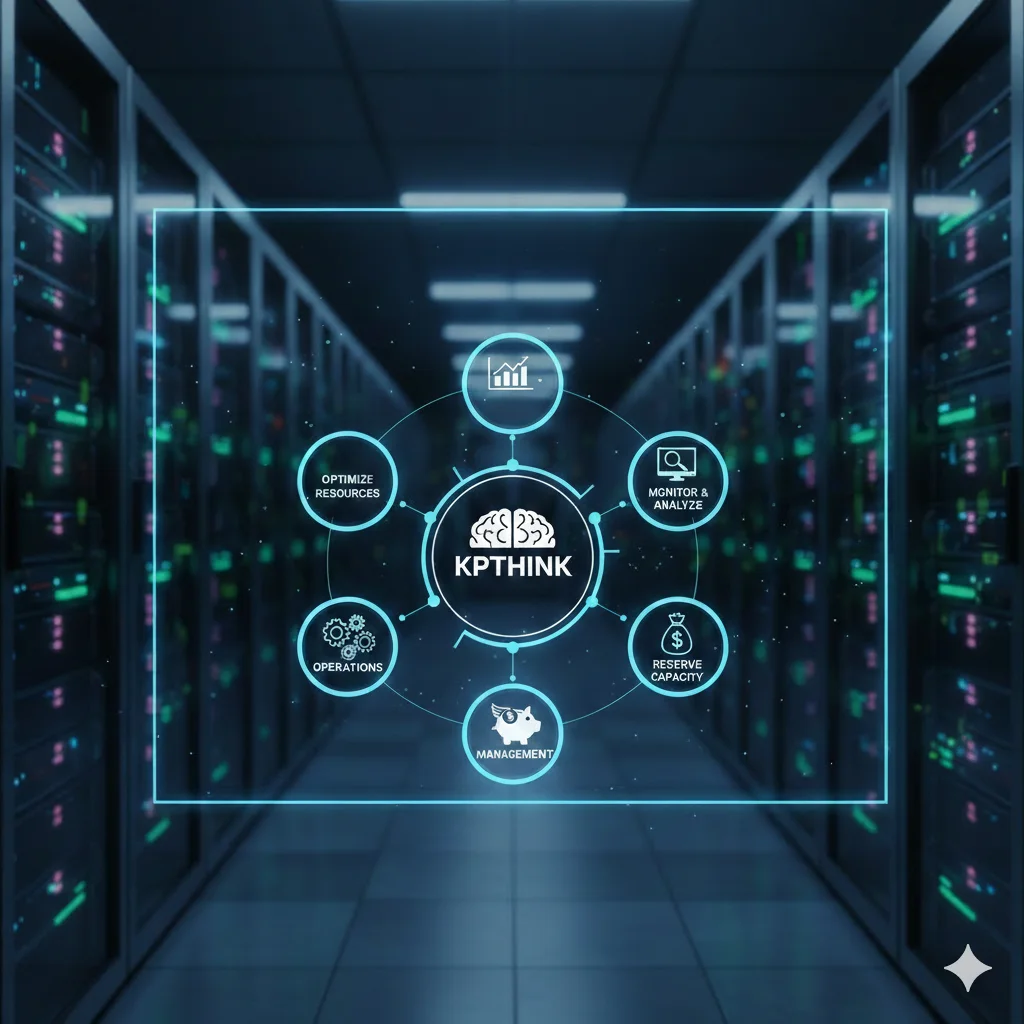
What Are the Ways to Reduce Costs in Any Cloud Platform?
Eight proven strategies to cut cloud costs, from right-sizing to reserved instances and spot compute.
Discover More: What Are the Ways to Reduce Costs in Any Cloud Platform?
How to Upgrade Appian HA to the Latest Version
Appian is a leading platform for enterprise automation, helping organizations cut process bottlenecks and reduce the manual work that slows teams down.
Discover More: How to Upgrade Appian HA to the Latest Version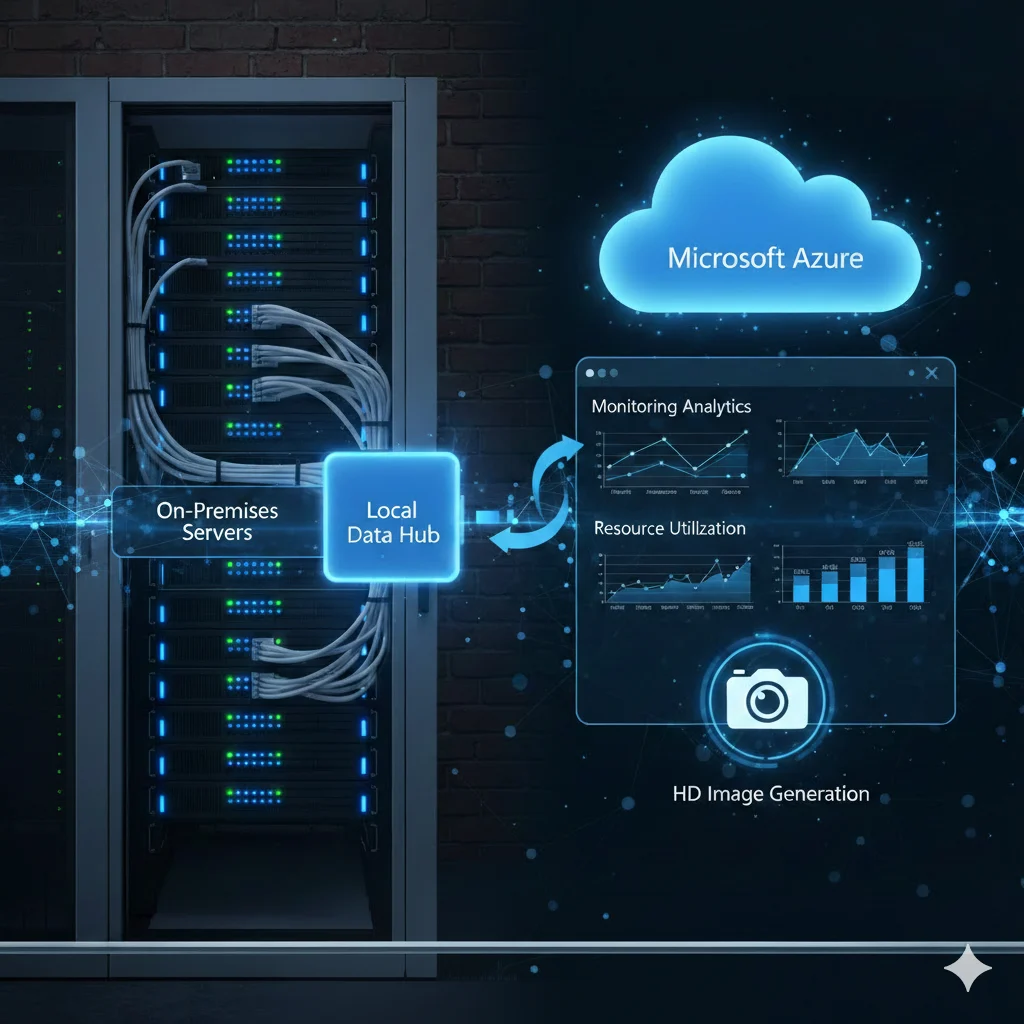
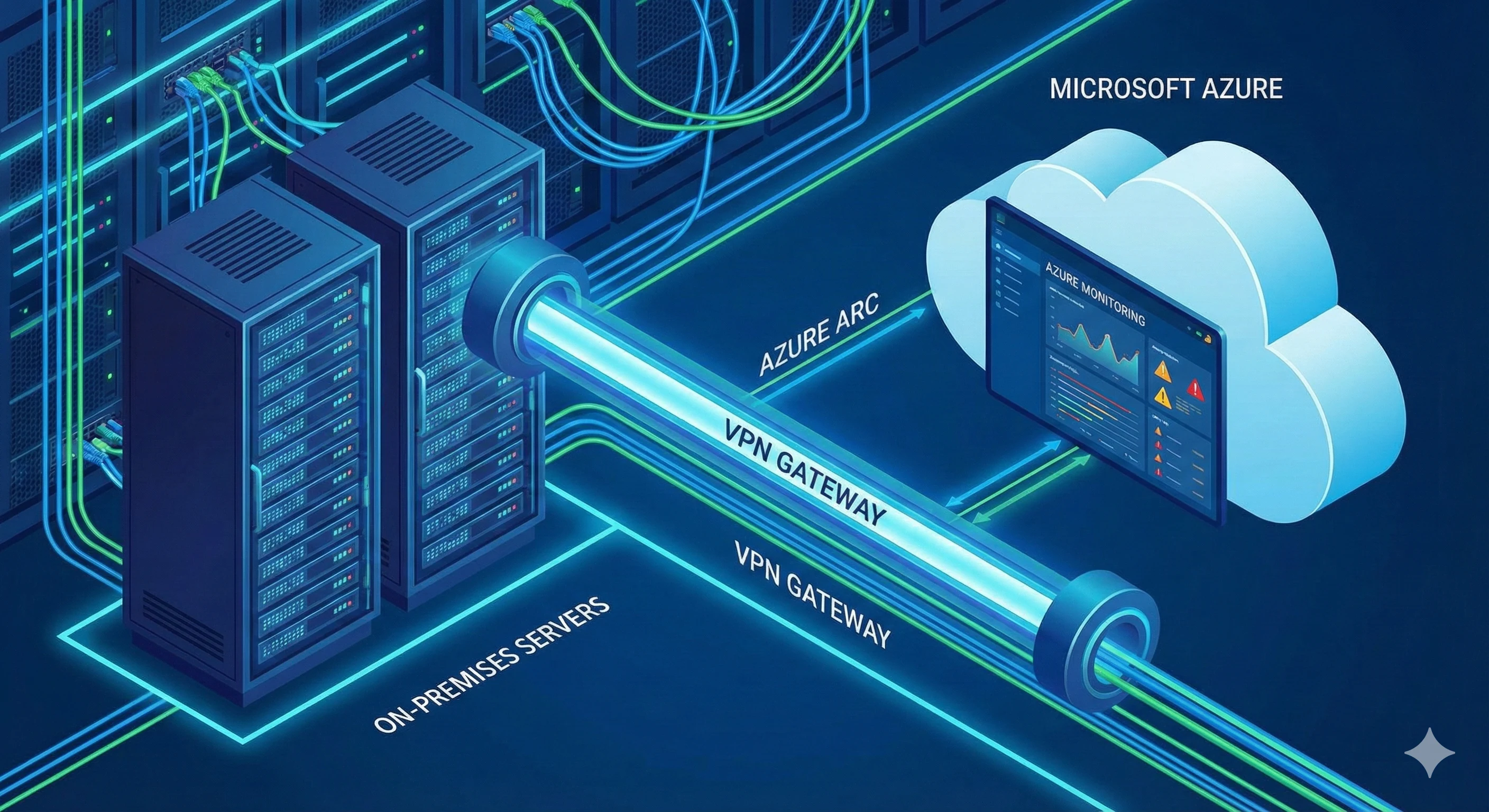
Ways to Connect On-Premises Servers to Azure for Monitoring
Three ways to connect on-premises servers to Azure Monitor: Azure Arc, Log Analytics, and VPN.
Discover More: Ways to Connect On-Premises Servers to Azure for MonitoringWhy Choose Us?
The advantages that set our team apart: hands-on MLOps expertise, production-tested AI tooling, and support that scales as your models do.
Frequently Asked Questions
How much does an AI or MLOps project with KPThink cost?
Pricing for AI and MLOps engagements depends on project scope, including data readiness, the number of models involved, and your cloud platform. We do not quote a flat rate because every engagement is different. Visit our pricing page for guidance, or book a consultation for a quote scoped to your use case.
View pricing details →How long does it take to deploy an ML model to production?
Industry-typical timelines for a first production model run 8 to 16 weeks, depending on data readiness and model complexity. That window covers use-case scoping, model development, deployment, and initial monitoring setup. Larger MLOps pipelines with multiple models take longer.
What does KPThink's AI and MLOps delivery process look like?
We start by scoping a specific business use case with your team, then move into model development and testing on Azure Machine Learning or AWS SageMaker. Once a model performs well, we deploy it to production and set up monitoring to catch drift or performance decay early. Each phase builds on results from the last.
What do we need to have ready before starting an AI or MLOps project?
You need a clearly defined business use case, access to relevant training data, and a stakeholder who can validate model outputs against real business logic. If you are moving an existing model into production, we also need details on your current cloud setup and any compliance requirements. We help close data readiness gaps during scoping.
Latest from our blog
Explore expert insights, industry trends, and practical strategies shaping modern cloud, security, and digital transformation.