
Application Transformation
AWS and Azure both offer purpose-built services that support modular architectures, allowing for rapid development and deployment.
Our Application Transformation Competencies
We rebuild application architecture for the cloud, combining containerization, automated pipelines, and phased migration patterns that keep your systems running while they change.
Improved Performance
Use purpose-built managed services on AWS and Azure that auto-scale and stay resilient during outages. Both platforms take care of the heavy infrastructure work so your applications stay reliable as the transformation project moves forward.
Cost Reduction
The pay-as-you-go pricing on AWS and Azure lets you control spend without committing to capacity you might not need. Modern architectures on both platforms reduce maintenance overhead and make it easier to scale your transformed applications as demand changes.
Speed to Market
Cut delivery cycles with application transformation on AWS and Azure. Both platforms include integrated DevOps tools that automate deployments and improve team collaboration. This lets you ship faster and more reliably without the usual overhead.
Technical Talent
Give your engineers the tools they actually want to work with. AWS and Azure provide modern development environments that strong teams appreciate. That enthusiasm translates directly into better application transformation outcomes.
Future-Proofing Capabilities
Build on AWS and Azure architectures that align with where the industry is heading. Your transformed applications inherit strong security defaults, cloud-native resilience, and the flexibility to adapt as your business requirements change.
Security and Compliance
AWS and Azure include built-in compliance and governance tools that cover the requirements most enterprises face. Identity and access management, encryption at rest and in transit, and audit logging are all there, without bolt-on solutions.
What We Do
We modernize legacy applications for the cloud through refactoring, containerization, and phased migration. Our approach breaks monolithic systems into scalable services without disrupting the business that depends on them.

Application Strategy
Every application portfolio needs a different mix of rehosting, replatforming, refactoring, and retirement. In short working sessions with your technical and business stakeholders, we agree the target state for each application, the technology options, data migration needs, rough costs, and the order of work, and we document the decisions so everyone signs off on the same plan.

Container Adoption
Containers package an application with its libraries and runtime so it behaves the same in every environment. We containerize suitable applications and run them on Amazon EKS, Amazon ECS, AWS Fargate, or Azure Kubernetes Service, choosing the platform by how much operational control your team wants. Not every application benefits from containers, and we will tell you when one does not.

Application Replatforming
Replatforming changes the platform under an application without rewriting it from scratch. Typical examples are moving .NET Framework applications to modern .NET on Linux to cut Windows licensing, moving virtual machines to containers or managed app services, and swapping self-managed databases for managed ones. We assess the effort and the payoff for each option before recommending one.

CI/CD Pipeline Development
A modernized application needs a delivery pipeline to match. We build CI/CD pipelines that compile, test, scan, and version each change, then promote it through your environments with approval steps where your process requires them, so releases become smaller, more frequent, and easier to roll back.
Benefits of application transformation
Refactored applications on AWS and Azure with faster release cycles, lower infrastructure costs, and teams that can ship features without coordination bottlenecks.
Improved Business Agility
Smaller, decoupled services let teams test new ideas and change one part of the system without redeploying everything, so the business can respond faster to market changes.
Enhanced Performance & Scalability
Cloud-native applications scale individual components with demand, instead of scaling the whole system for its busiest part.
Reduced Operational Costs
Right-sized, managed infrastructure and fewer legacy licenses can lower both hosting and maintenance costs. The actual saving depends on the starting architecture.
Stronger Security & Compliance
Supported runtimes, automated patching, and centralized monitoring reduce exposure to known vulnerabilities and make compliance evidence easier to produce.
Faster Time-to-Market
Automated build, test, and deployment pipelines shorten the path from a finished change to production, so releases can be smaller and more frequent.
Improved User Experience
Modernization is a chance to fix slow pages, unresponsive layouts, and confusing workflows that users of the legacy application have learned to work around.
How We Achieve Results
We start with a full assessment of your current application and infrastructure, then build a phased modernization plan that keeps disruption to a minimum. Each migration step gets validated before the next one begins, so your team always knows what changed and why.

User-First Digital Engineering
Modernization is a chance to fix what users struggle with, not just what is old. We review how the application is used today, then design the target experience with wireframes and prototypes before re-engineering the APIs and business logic behind it.

Engineering Your Vision into Code
Once the design is agreed, our development team works directly alongside your in-house engineers to build it. We write the code, document the architecture, and make sure your team can own and maintain everything after we hand it over.

Operational Excellence Through Automation
Once the modernized application is live, we automate its operation: pipelines that deploy consistently to every environment, infrastructure as code, and monitoring and alerting so your team hears about problems before users do.

Future-Ready Digital Innovation
After go-live, we review performance and usage data with you and recommend the next improvements, such as new managed services worth adopting, so the application keeps improving instead of starting to age again.
Related guides from our team
Practical guides from the KPThink team on the cloud topics that come up most often in this kind of engagement.

Benefits of Using Microsoft Intune for Your Business
In today’s digital-first world, managing devices and ensuring data security is more...
Discover More: Benefits of Using Microsoft Intune for Your Business
What Are the Ways to Reduce Costs in Any Cloud Platform?
Eight proven strategies to cut cloud costs, from right-sizing to reserved instances and spot compute.
Discover More: What Are the Ways to Reduce Costs in Any Cloud Platform?
How to Upgrade Appian HA to the Latest Version
Appian is a leading platform for enterprise automation, helping organizations cut process bottlenecks and reduce the manual work that slows teams down.
Discover More: How to Upgrade Appian HA to the Latest Version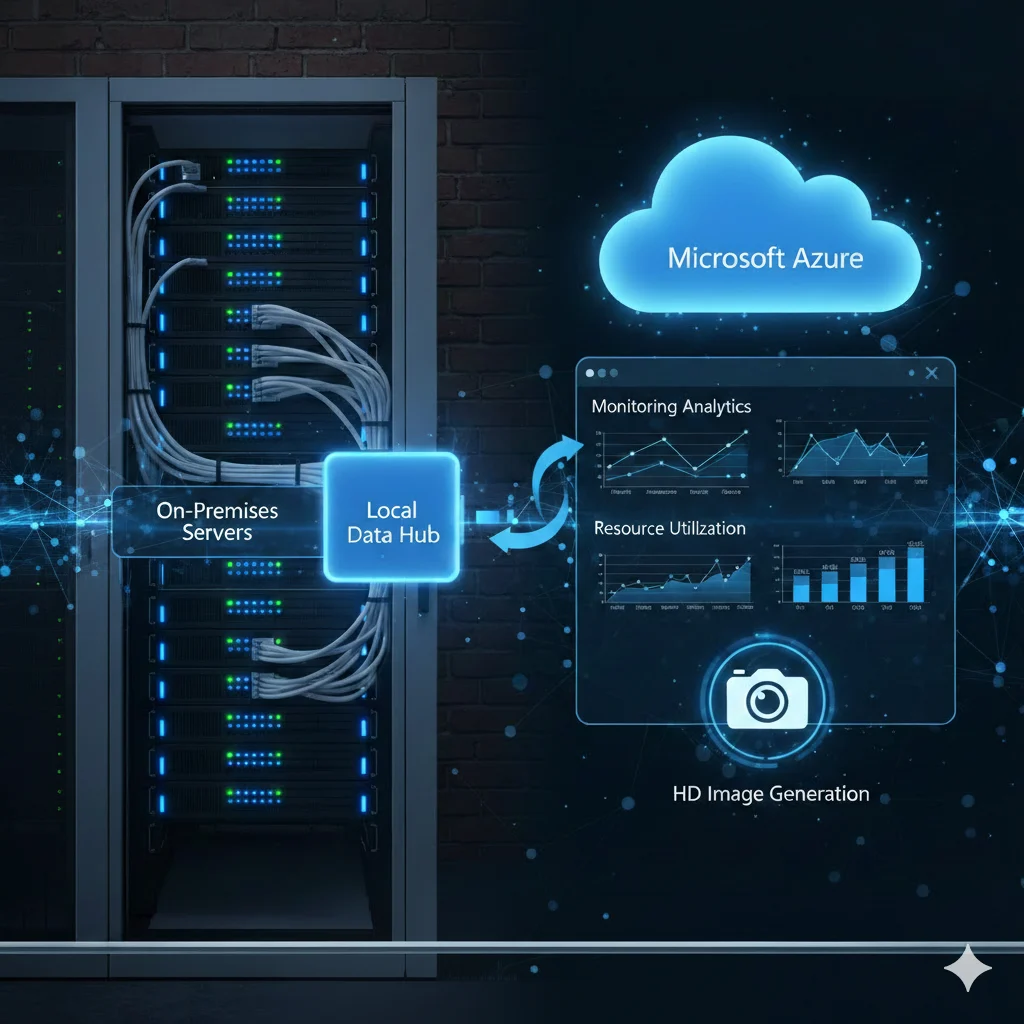
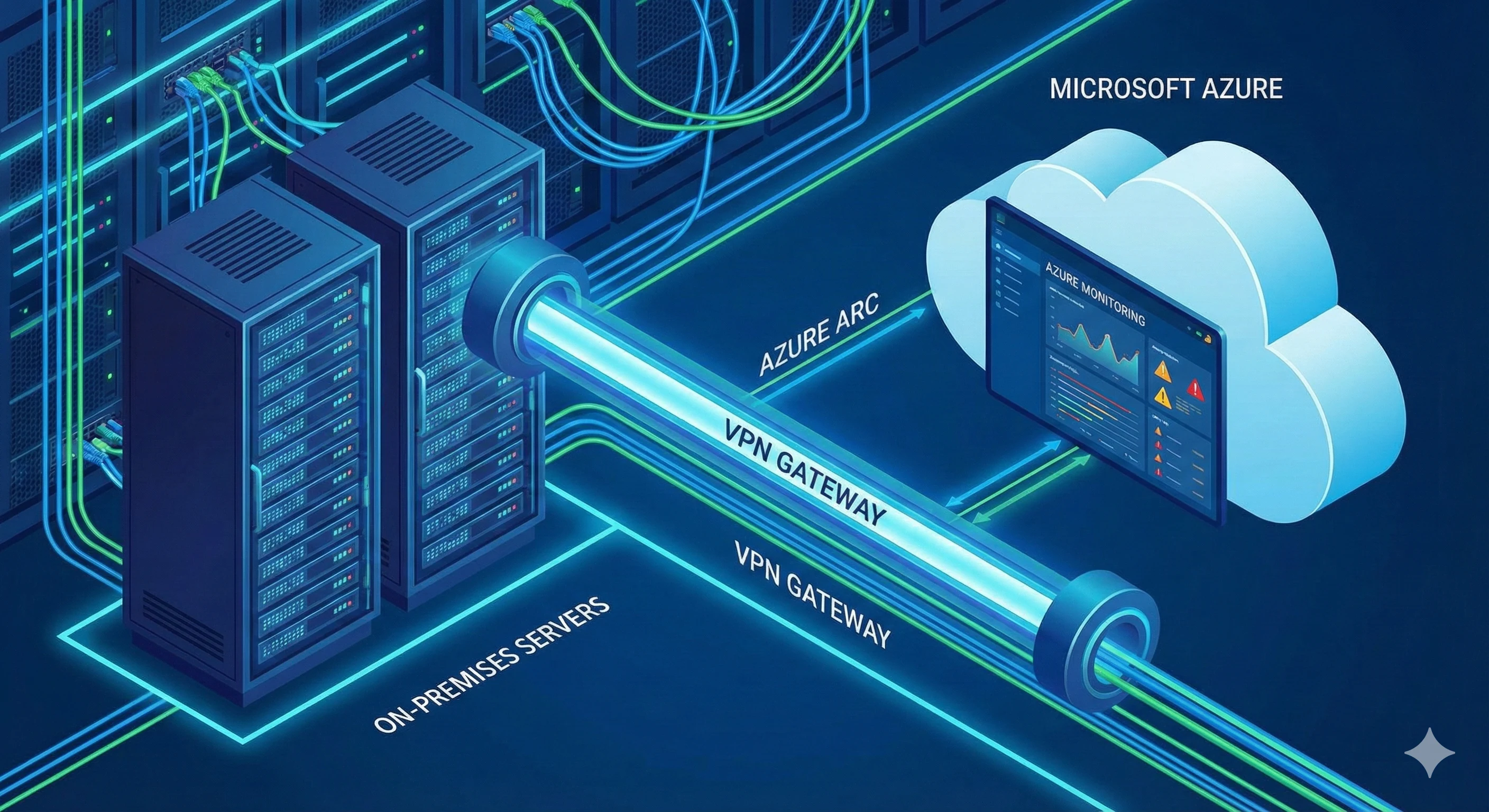
Ways to Connect On-Premises Servers to Azure for Monitoring
Three ways to connect on-premises servers to Azure Monitor: Azure Arc, Log Analytics, and VPN.
Discover More: Ways to Connect On-Premises Servers to Azure for MonitoringWhy Choose Us?
The advantages that set our team apart: security-first delivery, cloud expertise, and support that scales with your business.
Frequently Asked Questions
Answers to common questions about application transformation and cloud modernization engagements with KPThink.
How much does application modernization cost?
Cost depends on the number of applications, their complexity, and how much of the architecture needs to change. Visit our pricing page for details on how we structure engagements, or contact us for a scoped estimate based on your application portfolio.
How long does an application modernization project take?
Industry-typical timelines run 8 to 16 weeks per application, covering assessment, containerization or refactoring, and phased deployment. Larger portfolios with multiple interdependent applications or extensive legacy code typically take longer and get broken into phased releases to reduce risk.
What is KPThink's process for application transformation?
We start with an assessment of your current applications and infrastructure, then design a modernization strategy covering architecture, containerization, and migration sequencing. Our team implements the changes in phases, validating each step before moving to the next, and stays on for ongoing support after go-live.
What do we need to have ready before starting a modernization project?
You need access to your current environment or codebase, including any existing architecture and infrastructure documentation. Stakeholder alignment on scope and priorities also helps, since that determines which applications get prioritized first. A working knowledge of your compliance requirements speeds up the assessment phase too.
Latest from our blog
Fresh perspectives on cloud, security, and AI, curated to keep you informed and ready for what’s next.