
Transforming Business Through Analytics and Data Solutions
Move your data estate onto AWS or Azure data services: build data lakes, move off costly commercial database licenses, and connect the systems that currently only share data through manual exports.
Our Data Transformation & Analytics Competencies
We help organizations migrate data lakes and warehouses to the cloud, modernize ETL and ELT pipelines, and turn raw data into analytics teams can act on daily.
Gain a 360° View of Data
Bring data from separate systems into one consistent model so each business area can be understood as a whole. On AWS this typically uses AWS Glue and Amazon Redshift; on Azure, Azure Data Factory and Azure Synapse Analytics.
Break Free from Legacy Database Licensing
Commercial database licenses are often one of the largest line items in a legacy data estate. Managed services such as Amazon RDS, Aurora, Azure SQL Database, and Cosmos DB use pay-as-you-go pricing, and some workloads can move to open-source engines entirely. Whether that saves money depends on your current license terms, which we review first.
Accelerate Self-Service Analytics
Give business users governed access to data through tools such as Amazon QuickSight and Power BI, so routine questions no longer wait in a queue for the data team.
Monetize Your Data
Once data is reliable, it can support new uses: enriching it with third-party sources, feeding machine learning models, or processing events in real time with services like Amazon Kinesis or Azure Event Hubs. We help you assess which of these is worth building for your business.
Real-Time Data & Streaming Analytics
Fast and instant analytical processing of your data allows you to make informed decisions quickly. We create reliable, scalable data collection and processing architectures, which will allow your company to gather and analyze real-time event data that resides in your cloud storage. By implementing this tech stack, companies are better able to monitor operations, identify problems, and confidently respond to evolving business opportunities and customer behavior.
Advanced Data Integration & Engineering
We connect the data sources that don't talk to each other today, APIs, legacy databases, and SaaS exports, into pipelines your analytics and ML systems can actually rely on, built with tools like AWS Glue, Azure Data Factory, and dbt, and engineered to handle schema drift without silently dropping data.
What We Do
We modernize data platforms by migrating legacy warehouses to cloud-native architectures, redesigning pipelines for reliability, and giving business teams direct access to trusted analytics.
Data Transformation Strategy
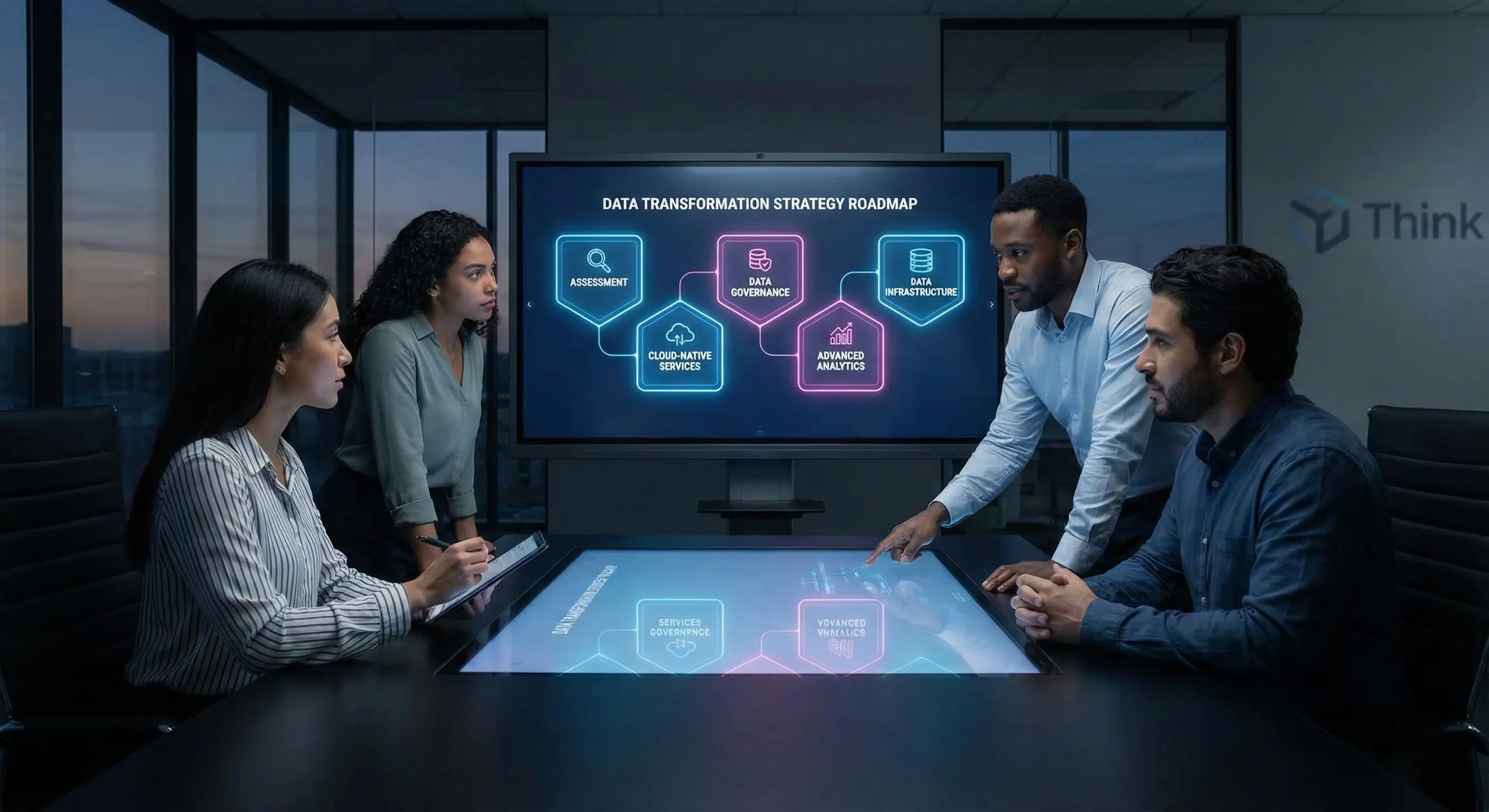
Before choosing tools, we map what data you have, where it lives, who uses it, and which business decisions depend on it. From that picture we agree a roadmap with your team covering data infrastructure, integration, governance, and analytics, sequenced so the first phase delivers something your teams can use rather than a year of groundwork.

Database Migration & Optimization
We move databases off ageing or expensively licensed engines onto managed services such as Amazon RDS and Aurora, Azure SQL Database, or Cosmos DB and DynamoDB where a non-relational model fits better. Like-for-like moves (for example SQL Server to Azure SQL) and engine changes (for example Oracle to PostgreSQL) need different tooling and testing, and we plan each migration around which of the two it is.
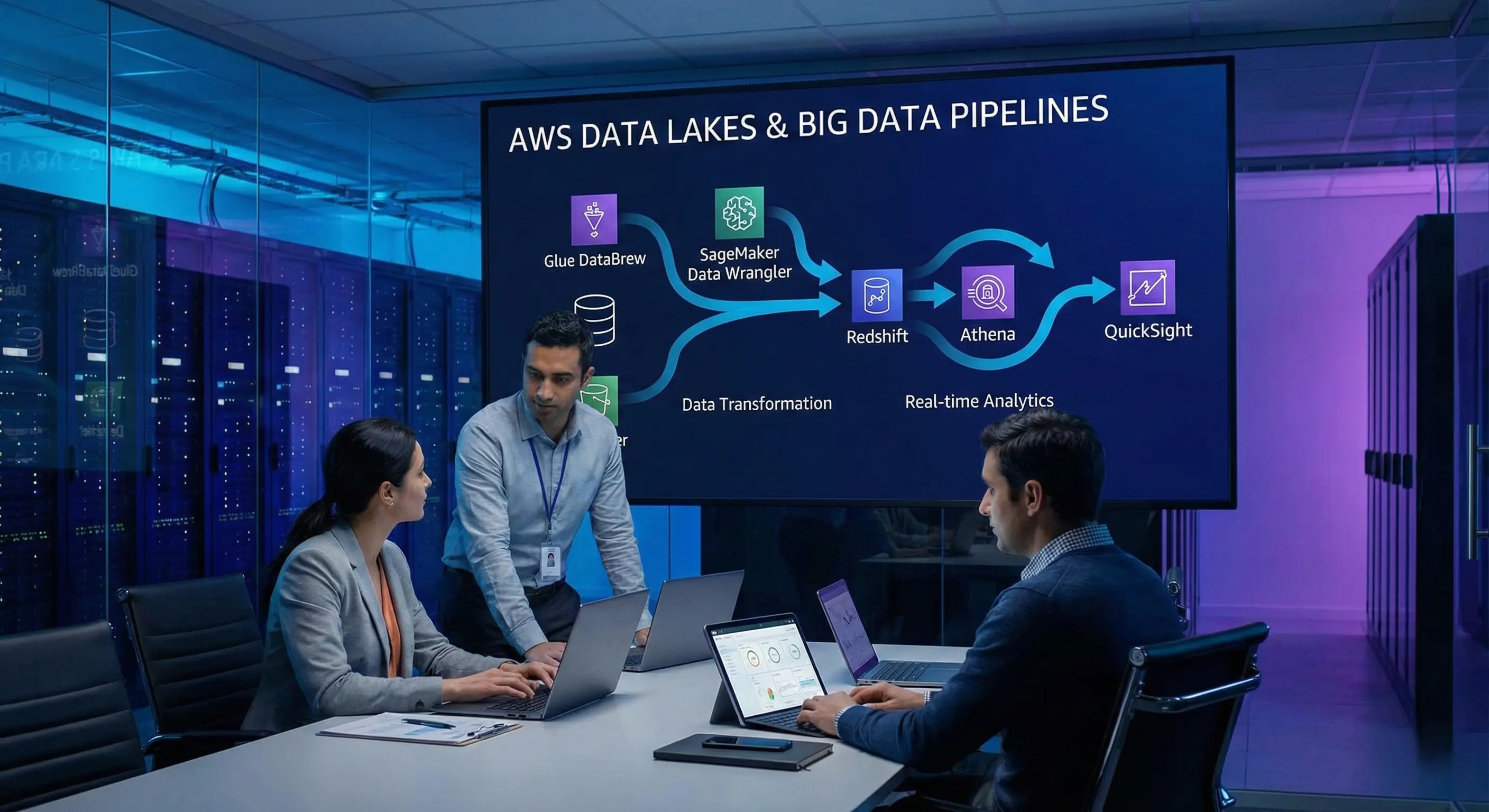
Data Lakes & Big Data Pipelines
We design data lakes and lakehouses on Amazon S3 or Azure Data Lake Storage, with ingestion and processing built on services such as AWS Glue, Amazon Kinesis, Azure Data Factory, and Databricks. The aim is a single, governed place where raw and curated data lives, sized for the volume and freshness your analytics actually need.

Operational Analytics & Business Intelligence
Turn raw data into dashboards your teams actually check. We build operational analytics and BI layers on tools like QuickSight, Power BI, and Redshift, so the people making day-to-day decisions can see what's happening now instead of waiting on last quarter's report.
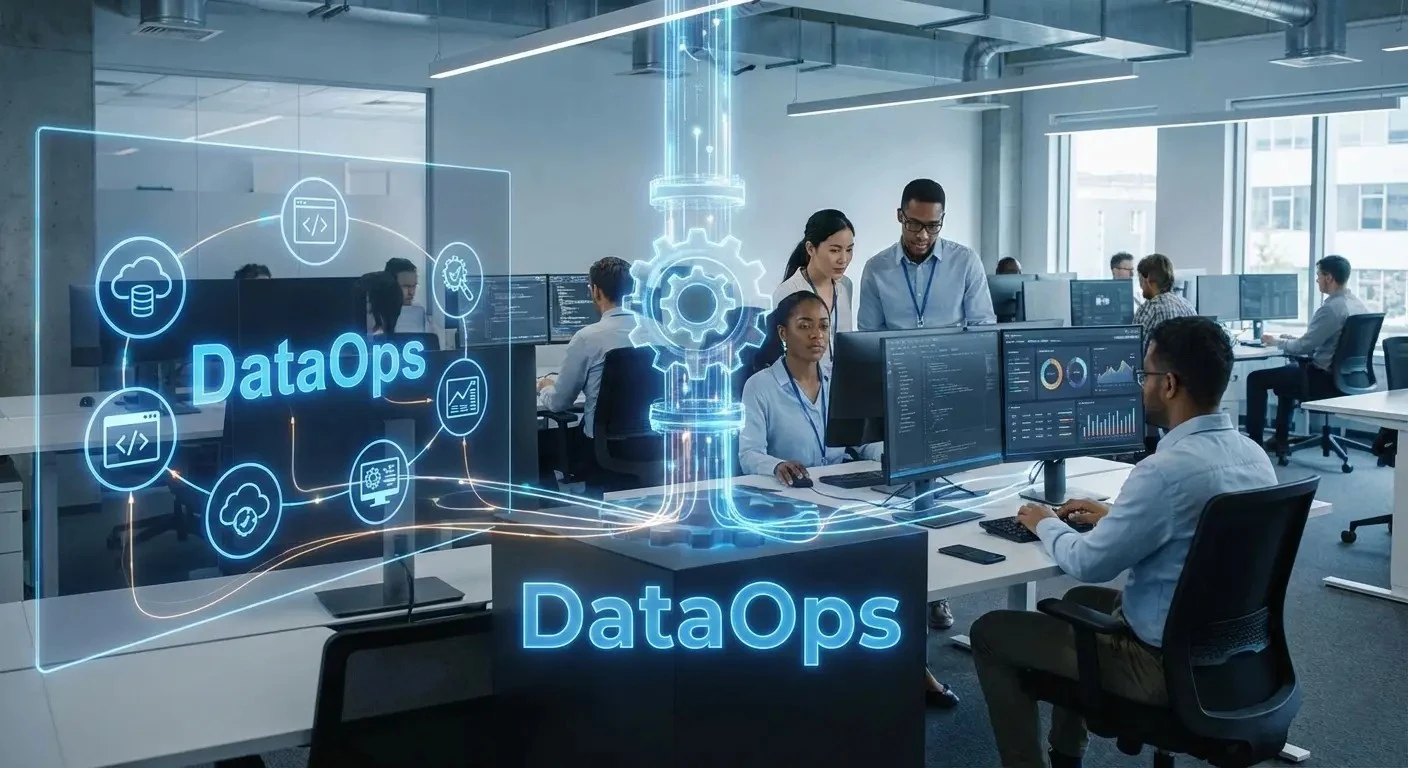
DataOps
DataOps applies the habits of software delivery to data: version-controlled pipeline code, automated tests on data quality, and monitoring that alerts someone when a feed is late or wrong. We set these up so that data consumers get agreed freshness and quality levels, and problems are found by your pipeline checks rather than by a surprised executive looking at a dashboard.

Data Governance
We help you define data quality rules, build a catalog of what data exists and who owns it, and put role-based access in place so people can find the data they need and see only what they are allowed to. These controls can support obligations under frameworks such as GDPR, HIPAA, or PCI DSS, but compliance also depends on your wider policies and processes, so we scope this work together with your compliance owners.
Benefits of Data Modernization
Unified data pipelines, governed platforms, and analytics on current data, not last month's exports from an overloaded warehouse.
Greater Agility in a Changing Market
When data is current and trusted, teams can respond to market changes with evidence instead of waiting for month-end reports.
Improved Customer Experience
A connected view of each customer makes it possible to personalize service and spot problems earlier across touchpoints.
Higher Operational Efficiency
Automated pipelines replace manual extracts and spreadsheet reconciliation, reducing both effort and the errors that come with it.
Data-Driven Decision Making
Leaders can base decisions on consistent, governed metrics rather than competing versions of the same number.
Enhanced Collaboration Across Teams
Shared, well-documented data sets let teams in different functions and locations work from the same information.
Sustainable Long-Term Growth
A governed, well-organized platform is easier to extend as data volumes, sources, and use cases grow.
How We Achieve Results
We assess your current data estate first, then redesign pipelines and migrate workloads to the platform that fits your data, whether that's Azure Synapse, Redshift, or Databricks. Every engagement ends with governance and monitoring in place, not just a migrated dataset.
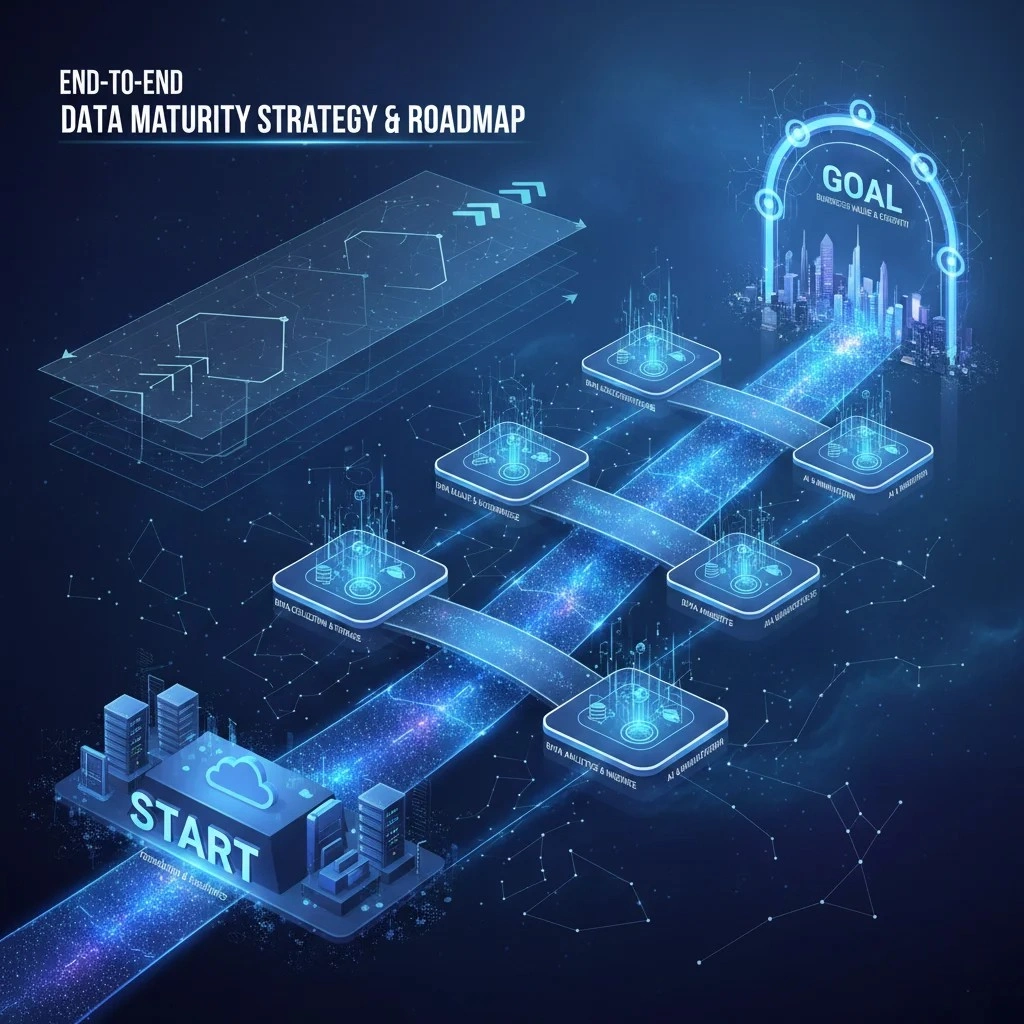
End-to-End Data Maturity Strategy & Roadmap
We meet you where your data practice is today. For some teams the first job is tuning slow databases or fixing operational reports; for others it is building self-service analytics, machine learning features, or a governed data platform. The roadmap follows your starting point, not a fixed template.

Data Maturity Assessment and Transformation Roadmap
Before recommending a roadmap, we assess where your data practices actually stand today: tooling, governance, team skills, and reporting maturity. That assessment becomes the basis for a transformation plan sequenced around what will move the needle first, not a one-size-fits-all migration.

Data Governance, Trust, and Secure Data Operations
Bad data and exposed data cause the same kind of damage: decisions made on numbers nobody should have trusted. We help you set data quality standards, catalog what you have, and put access controls in place so people can find and use the right data without guessing whether it's current or who's allowed to see it.
Reusable Templates, Adapted to Your Environment
Where a reusable pipeline, infrastructure-as-code, or governance pattern fits, we start from it instead of rebuilding common groundwork from scratch, then adapt it to your environment rather than forcing your data into a fixed product.
Related guides from our team
Practical guides from the KPThink team on the cloud topics that come up most often in this kind of engagement.

Benefits of Using Microsoft Intune for Your Business
In today’s digital-first world, managing devices and ensuring data security is more...
Discover More: Benefits of Using Microsoft Intune for Your Business
What Are the Ways to Reduce Costs in Any Cloud Platform?
Eight proven strategies to cut cloud costs, from right-sizing to reserved instances and spot compute.
Discover More: What Are the Ways to Reduce Costs in Any Cloud Platform?
How to Upgrade Appian HA to the Latest Version
Appian is a leading platform for enterprise automation, helping organizations cut process bottlenecks and reduce the manual work that slows teams down.
Discover More: How to Upgrade Appian HA to the Latest Version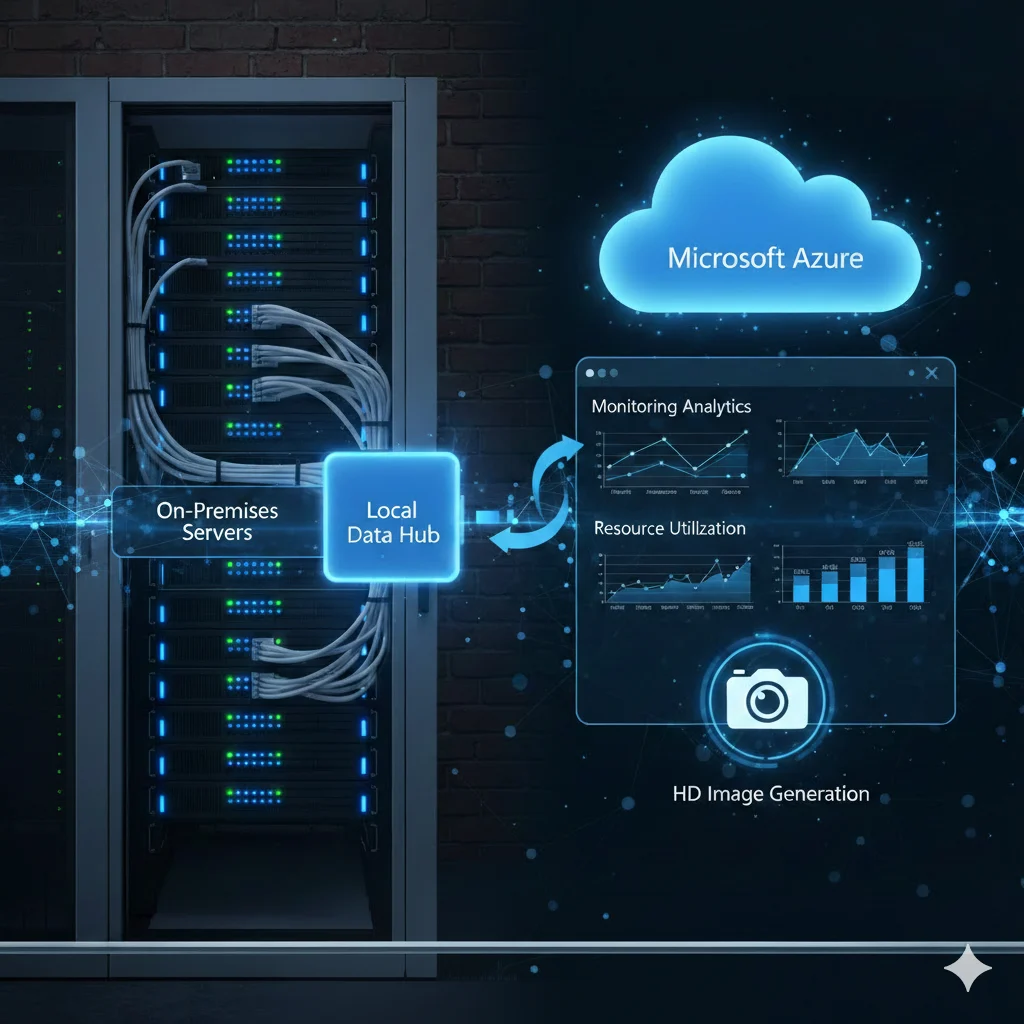
Ways to Connect On-Premises Servers to Azure for Monitoring
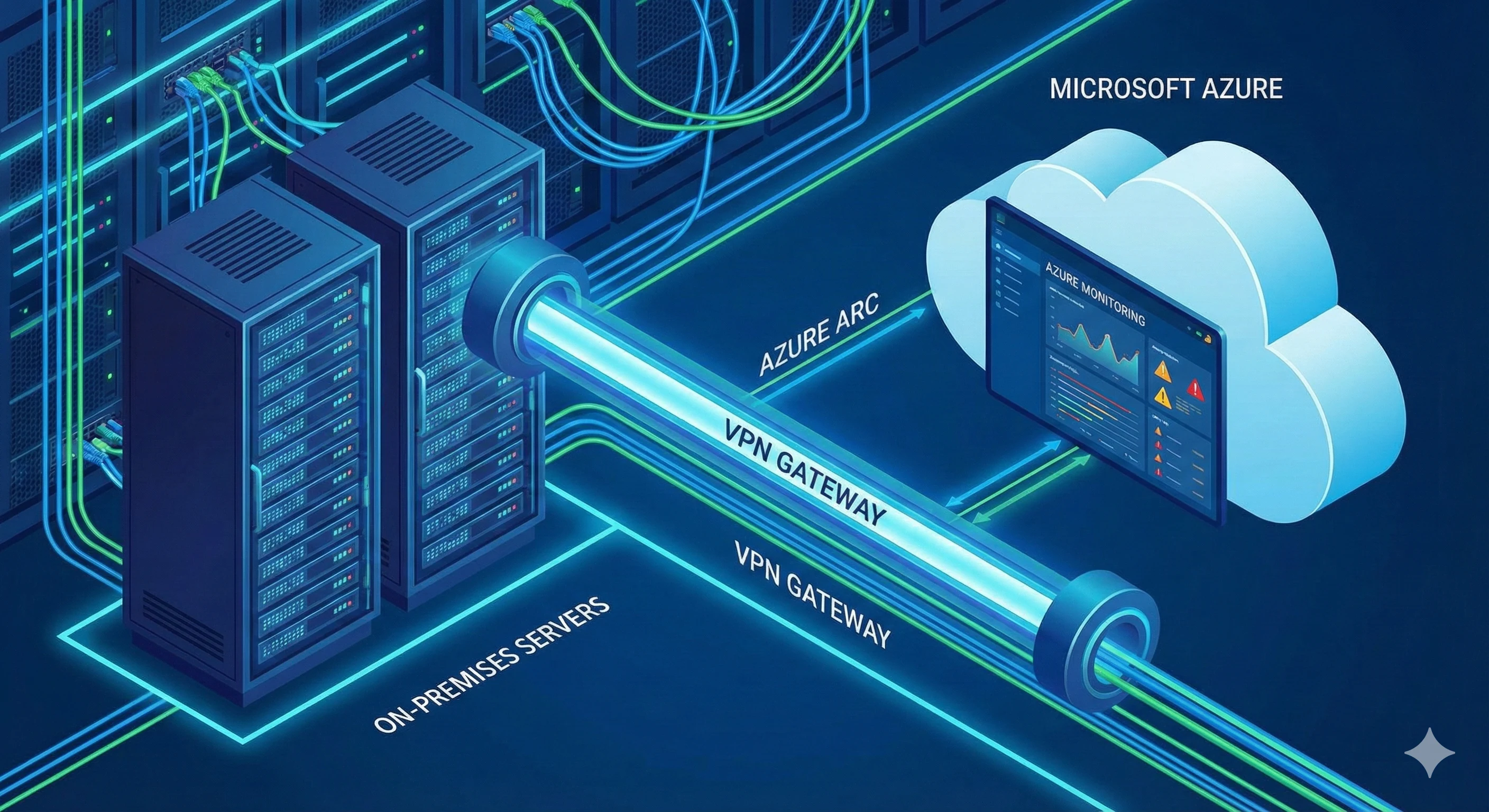
Three ways to connect on-premises servers to Azure Monitor: Azure Arc, Log Analytics, and VPN.
Discover More: Ways to Connect On-Premises Servers to Azure for MonitoringWhy Choose Us?
The advantages that set our team apart: security-first delivery, cloud expertise, and support that scales with your business.
Frequently Asked Questions
How much does data platform modernization cost with KPThink?
Data modernization costs vary based on the size of your data estate, the number of source systems, and which target platform you choose. Visit our pricing page for guidance, and we'll provide a firm quote after scoping your specific data assessment and migration needs.
How long does a data platform modernization take?
Industry-typical data platform modernization runs 8 to 16 weeks from initial assessment to a fully migrated and validated platform, depending on data volume, pipeline complexity, and the number of source systems involved. Larger environments or projects with strict compliance requirements can take longer.
What does KPThink's data modernization process look like?
We start with a data maturity assessment that reviews your current tooling, pipelines, and governance practices. From there, we design the target architecture, migrate data lakes, warehouses, and pipelines in staged phases, and validate every dataset before cutover. Governance and monitoring get built in from day one, not added afterward.
What do we need to have ready before starting a data modernization project?
You'll need access to your current data sources and warehouses, plus a named stakeholder who can make decisions on architecture and priorities. It also helps to have clarity on compliance, retention, and data residency requirements upfront, since these shape platform choices and migration sequencing.
Latest from our blog
Explore expert insights, industry trends, and practical strategies shaping modern cloud, security, and digital transformation.