
Infrastructure & DevOps Modernization
We replace manual infrastructure changes and fragile release processes with infrastructure as code, automated CI/CD pipelines, and guardrails that keep AWS and Azure environments consistent and compliant.
Our Infrastructure & DevOps Competencies
We design and automate the infrastructure that keeps applications running: Infrastructure as Code with Terraform and Bicep, CI/CD pipelines on GitHub Actions and Azure DevOps, container orchestration, and monitoring that catches issues before customers do.
Improved Performance
Managed services such as EC2 Auto Scaling, Elastic Load Balancing, Azure Virtual Machine Scale Sets, and Azure Load Balancer scale with demand and recover from instance failures without manual work.
Speed to Market
With AWS and Azure, you can automate deployments to provide bug fixes and new features faster. Use DevOps solutions like AWS CodePipeline and Azure DevOps to optimize processes, enhance procedures, and build a culture of continuous integration and delivery, thereby increasing innovation and reducing time-to-market.
Granular Cost Control
Consistent tagging, budgets, and cost reports from AWS Cost Explorer and Azure Cost Management show spend per environment, team, or product, so savings can be targeted instead of guessed.
Operationally Efficient
Fine-tune resource consumption to meet business needs and automate common processes with AWS and Azure. AWS tools like AWS Systems Manager and Azure Automation help increase resource productivity by managing and optimizing your cloud environment efficiently.
Future-Ready
Containers and serverless services, such as Amazon ECS, AWS Lambda, Azure Kubernetes Service, and Azure Functions, make it easier to adopt new services and change architecture later without starting over.
What We Do
We modernize infrastructure and delivery pipelines with Infrastructure as Code, automated CI/CD, and container orchestration. Your teams ship changes faster while environments stay consistent and observable.

Container and Serverless Adoption
Run workloads on containers with Amazon ECS, Amazon EKS, or Azure Kubernetes Service, or go serverless with AWS Lambda or Azure Functions, where the platform handles scaling and patching for you. We help you choose based on the workload, not on fashion.

DevOps Enablement
Our DevOps engineers work alongside your developers and operations staff on shared tooling, shared on-call practices, and shorter feedback loops, so the new ways of working stick after we leave.

Continuous Integration/Continuous Delivery (CI/CD)
Deploy CI/CD pipelines to automate code integration, testing, and application deployment across various environments, accelerating feature development and release cycles and boosting code dependability.

Observability
Set up monitoring, logging, and tracing with services such as Amazon CloudWatch, AWS X-Ray, Azure Monitor, and Application Insights, or open tools like Grafana and OpenTelemetry, so your team can see system behavior and find the cause of problems faster.

Cost Optimization
Right-size compute, schedule non-production environments to shut down out of hours, and use reservations or savings plans for steady workloads. Tagging and budgets make it clear which team or product is driving each cost.

Security, Compliance and Disaster Recovery
Build security checks and policy guardrails into the pipeline and the landing zone, so non-compliant changes are caught before they reach production. We also design backup and disaster recovery to meet agreed recovery objectives and support frameworks such as PCI DSS or HIPAA.
Benefits of Infra & DevOps Modernization
Infrastructure as code, automated deployments, and observability across your stack, so incidents get resolved in minutes, not escalated for hours.
Faster and More Reliable Deployments
Modern DevOps practices that automate builds and releases help reduce mistakes, speed up delivery cycles, and get software to customers faster.
Improved Infrastructure Scalability
Cloud-based infrastructure is designed to easily grow to meet changing business and application needs.
Stronger Security and Compliance
Security policies are automatically added to the software development pipeline, making sure that they are always used in all deployments.
Better Collaboration Across Teams
Common processes, systems, and tools make it easier for teams to see what is going on, which helps the development and operations departments work together better.
Greater System Stability and Performance
Consistent, code-defined environments remove the configuration drift that causes many production incidents.
Simplified Operations and Maintenance
Monitoring and alerting catch problems early, and automated rollouts reduce the manual steps that go wrong during releases.
How We Achieve Results
We assess your current infrastructure and pipelines before writing a single line of Terraform. From there, we move to Infrastructure as Code, automate the CI/CD pipeline, and roll out observability so your team can see problems before customers do.

Assess Current Infrastructure and Pipelines
We review how your infrastructure is built and changed today, how code gets to production, and where releases stall or break. Working back from your business goals, we agree which improvements to make first.
Design Infrastructure as Code
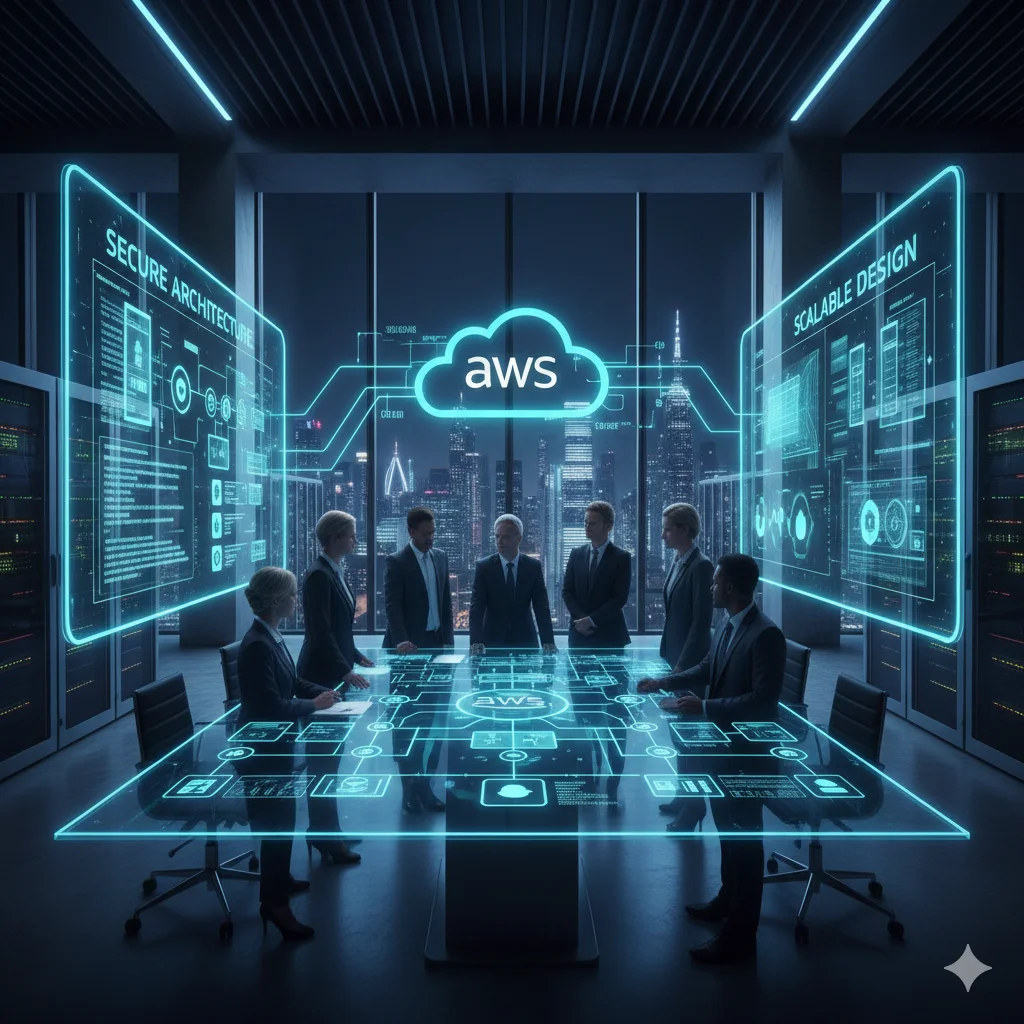
We design the target environments and codify them with Terraform, Bicep, or CloudFormation, prioritizing security, availability, and cost, so every environment can be rebuilt the same way.
Automate Delivery in Phases
We roll out CI/CD, automated testing, and observability one service or team at a time, so each change is proven before it becomes the default and delivery never stops while the new process is introduced.

Cloud Enablement, Upskilling, and Operational Excellence
We pair with your engineers throughout and leave documentation and runbooks behind, so your team can run and extend the setup without depending on us.
Related guides from our team
Practical guides from the KPThink team on the cloud topics that come up most often in this kind of engagement.

Benefits of Using Microsoft Intune for Your Business
In today’s digital-first world, managing devices and ensuring data security is more...
Discover More: Benefits of Using Microsoft Intune for Your Business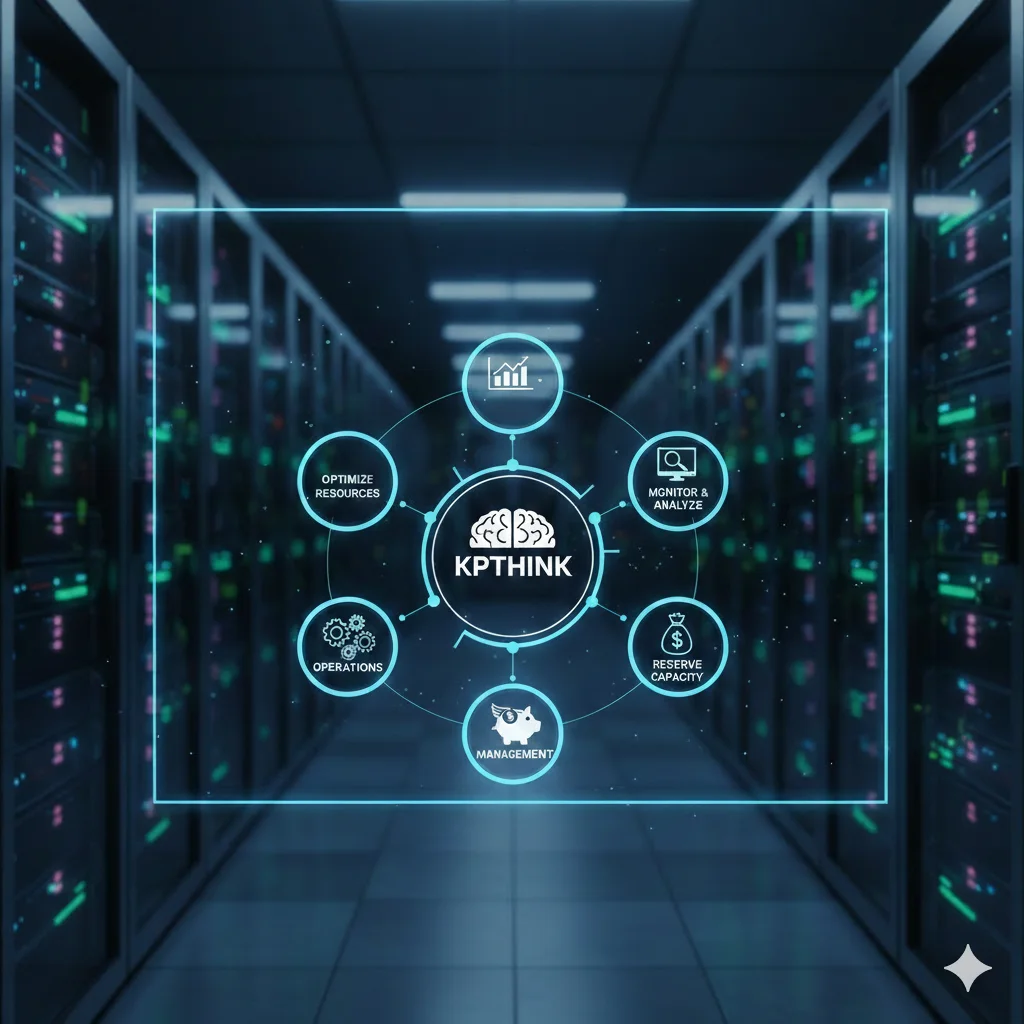
What Are the Ways to Reduce Costs in Any Cloud Platform?
Eight proven strategies to cut cloud costs, from right-sizing to reserved instances and spot compute.
Discover More: What Are the Ways to Reduce Costs in Any Cloud Platform?
How to Upgrade Appian HA to the Latest Version
Appian is a leading platform for enterprise automation, helping organizations cut process bottlenecks and reduce the manual work that slows teams down.
Discover More: How to Upgrade Appian HA to the Latest Version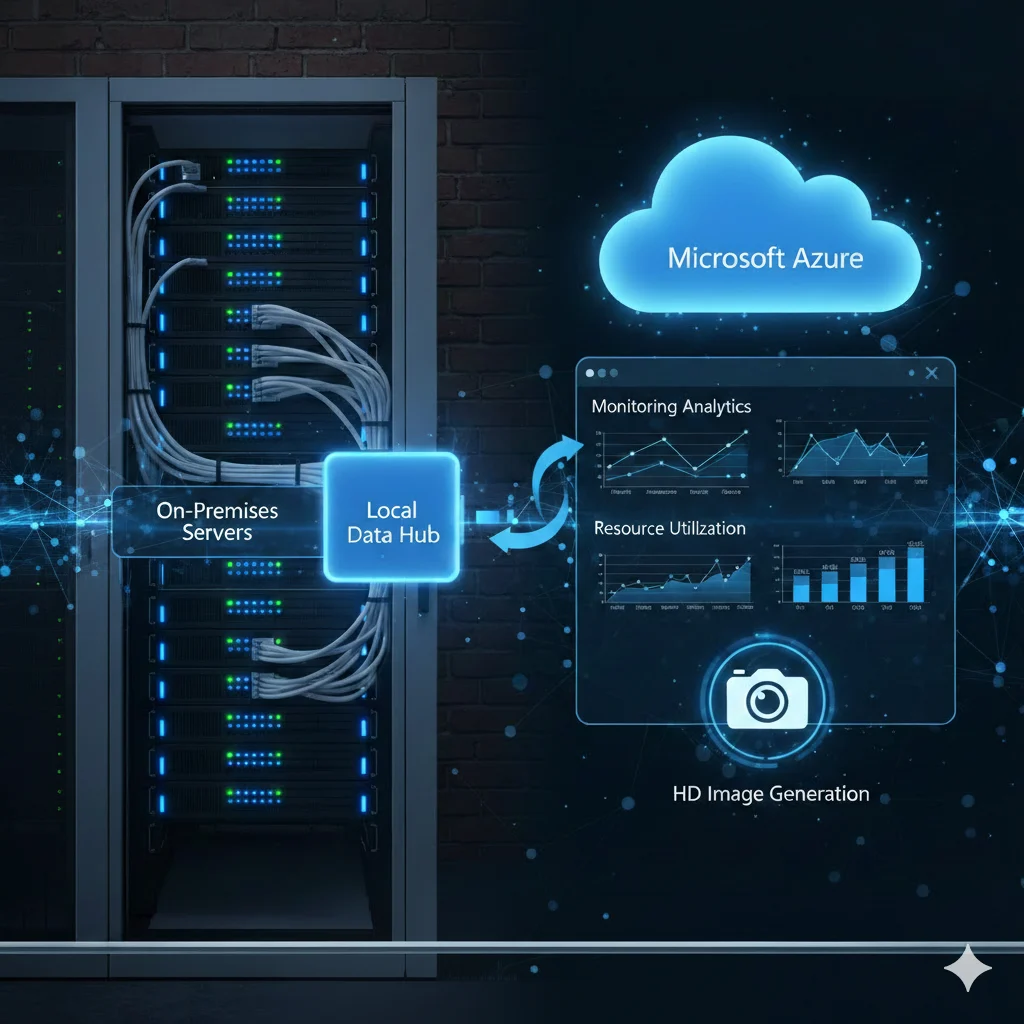
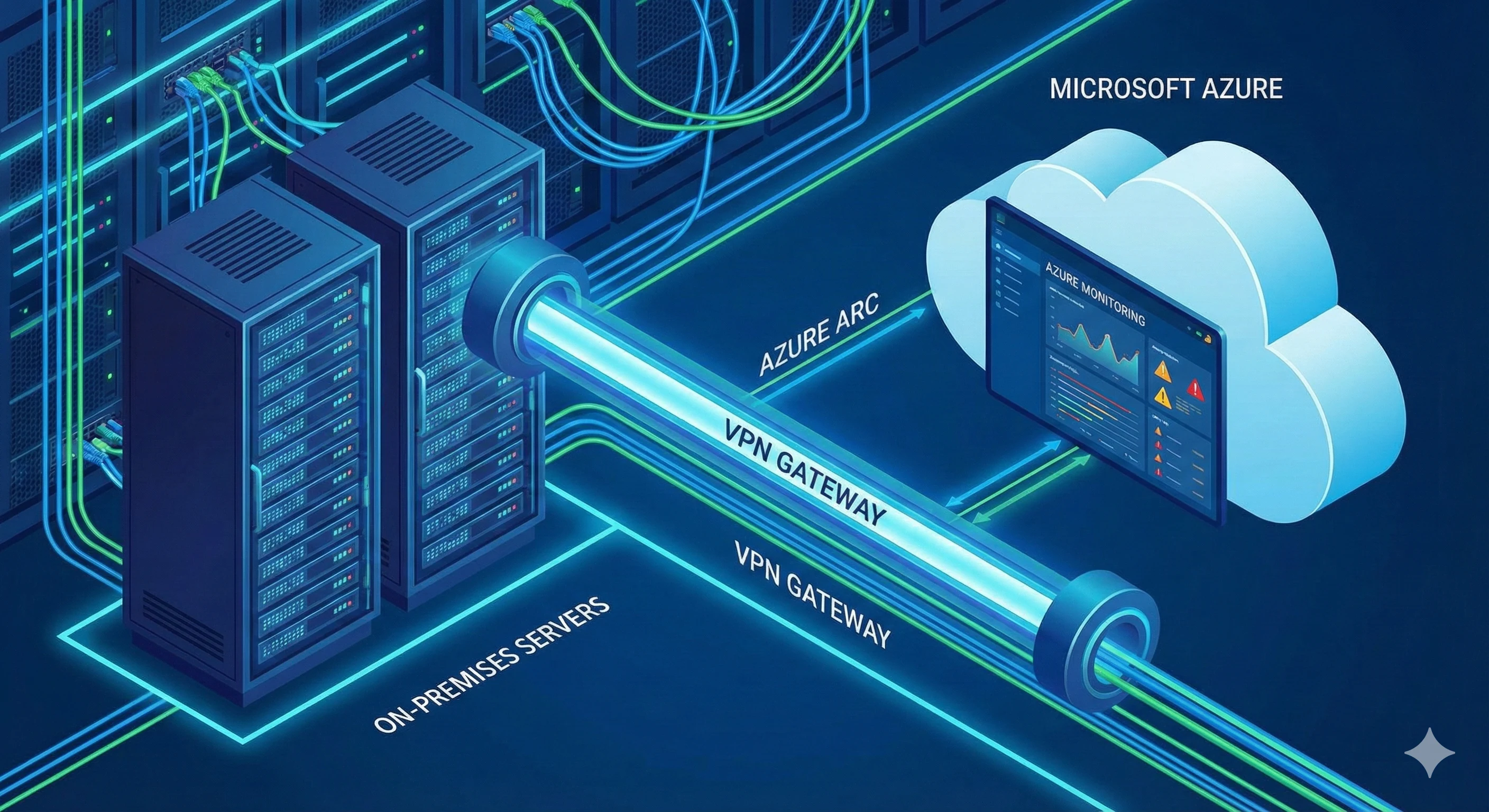
Ways to Connect On-Premises Servers to Azure for Monitoring
Three ways to connect on-premises servers to Azure Monitor: Azure Arc, Log Analytics, and VPN.
Discover More: Ways to Connect On-Premises Servers to Azure for MonitoringWhy Choose Us?
The advantages that set our team apart: security-first delivery, cloud expertise, and support that scales with your business.
Frequently Asked Questions
How much does infrastructure and DevOps modernization cost?
Pricing depends on the size of your environment, the number of pipelines, and how much automation is already in place. Visit our pricing page for a detailed breakdown, and we will scope an exact quote for your team after a short infrastructure review.
How long does a DevOps modernization engagement take?
Industry-typical timelines run 6 to 12 weeks depending on the number of environments and pipelines involved, plus how much of your infrastructure still needs to move into code. Straightforward CI/CD rollouts land on the shorter end, and multi-environment Infrastructure as Code migrations with a full observability rollout take longer.
What does KPThink's process for infrastructure and DevOps modernization look like?
We start with a readiness assessment of your current infrastructure and tooling, then move into Infrastructure as Code and CI/CD pipeline automation. From there, we harden releases with automated testing and rollback strategies and roll out observability so your team can see what is happening in production. We stay engaged after go-live to support and upskill your team.
What do we need before starting a DevOps modernization engagement?
You need access to your current infrastructure, source control, and CI/CD tooling before we begin. We also ask for a named engineering stakeholder who can make decisions during the engagement, and agreement upfront on which environments and pipelines are in scope so the assessment stays focused.
Latest from our blog
Explore expert insights, industry trends, and practical strategies shaping modern cloud, security, and digital transformation.