
Cloud Native App Development
We design and build cloud-native applications on AWS and Azure that scale with demand, deploy automatically, and let your team focus on product features instead of servers.
Our Cloud Native App Dev Competencies
Our cloud-native app development expertise covers containerizing workloads, orchestrating them with Kubernetes, and structuring them as microservices that scale independently on AWS and Azure.
Better Products
Create better products with faster feedback loops using AWS and Azure. AWS provides tools like AWS CodePipeline and Azure offers Azure DevOps to speed up development and gather user feedback quickly, ensuring that your features always fulfill users' needs.
Modern UI
Develop modern and straightforward user interfaces with AWS and Azure. AWS offers services like AWS Amplify for front-end development, while Azure provides Azure App Service and Azure Static Web Apps to enhance user experience. These tools make your applications feel like a native app and stay user-friendly.
Agility
Serverless and managed services, such as AWS Lambda and Azure Functions, handle the underlying infrastructure so your team can spend its time on application and business logic.
Optimized Costs
Reduce operational expenses and simplify maintenance with modern architectures on AWS and Azure. AWS’s pay-as-you-go model, combined with Azure’s cost management tools, helps you optimize costs by scaling resources according to demand, minimizing waste, and improving ROI.
Technical Talent
Engineers want to work with containers, infrastructure as code, and fast, automated pipelines. A cloud-native stack on AWS or Azure gives your team modern tooling and less time spent on manual operations.
What We Do
We design and build cloud-native applications using containers, Kubernetes, and microservices so your product scales on demand and deploys without downtime.

Product Strategy
Before writing code, we agree what the application must do, for whom, and how success will be measured. Depending on where you are, that can include user research, product ideation, and a roadmap that separates the first release from later ideas. The architecture then follows from those decisions, not the other way round.

UX/UI Design
We design from the user's side: personas, user journeys, workflows, wireframes, and high-fidelity mockups, backed by a style guide so the interface stays consistent as the product grows.

Full Stack Development
We build web front ends (typically React), back ends and APIs (for example Node.js, TypeScript, Python, or .NET), and cross-platform mobile apps, with automated tests and deployment built in from the start.

CI/CD Pipeline Development
Every service gets its own automated pipeline: build, unit and integration tests, container image scanning, versioned artifacts, and promotion through environments with approval gates where you need them. Developers get feedback in minutes, and releases become routine rather than events.

SaaS Strategy
For SaaS products, the cost of serving each customer matters as much as features. We help you choose a tenancy model (shared, isolated, or a mix), design for efficient resource sharing without weakening security or isolation, and track cost per tenant so pricing decisions rest on real numbers.
Benefits of Cloud Native App Dev
Kubernetes on AWS EKS or AKS, containerized microservices, and CI/CD pipelines that replace quarterly releases with on-demand deploys.
Built for Scalability from Day One
Cloud-native applications scale out automatically as demand grows, so performance stays consistent during peak periods.
Faster Development and Deployment
Containers and continuous integration and delivery (CI/CD) make it faster to build, test, and release new features.
Improved Resilience and Reliability
Independent services recover quickly from failure, and a problem in one service is less likely to bring down the whole application.
Cost-Efficient Resource Usage
Pay-as-you-go pricing and automatic scaling mean you pay for the capacity you use, when you use it.
Greater Flexibility and Innovation
Teams can update and experiment with one service without affecting the rest of the application.
Simplified Operations and Maintenance
Managed platforms take over much of the scaling, patching, and monitoring work, reducing long-term operational effort.
How We Achieve Results
We design the application architecture first, containerize the workload, and automate the deployment pipeline so releases stay predictable. Our team then hardens the setup in production and keeps tuning it as your traffic and requirements change.

User-Centric Application Design and Development
We start by understanding who will use the application and what they need to get done. Wireframes and a clickable prototype let you test the flow with real users before APIs and business logic are built.

Modern Application Engineering and Implementation
Once the design is agreed, our development team works alongside your engineers to bring it to life. We build the architecture, write solid code, and document everything so your team can own it after delivery.

Cloud-Native DevOps and Automated Deployment Pipelines
Once the first services are live, we automate everything around them: CI/CD for each service, infrastructure as code for each environment, and policy checks that stop misconfigured deployments before they reach production.

Continuous Improvement After Launch
After launch, we use monitoring data and user feedback to decide what to improve next, and we keep dependencies and platform services up to date so the application does not quietly become the next legacy system.
Related guides from our team
Practical guides from the KPThink team on the cloud topics that come up most often in this kind of engagement.

Benefits of Using Microsoft Intune for Your Business
In today’s digital-first world, managing devices and ensuring data security is more...
Discover More: Benefits of Using Microsoft Intune for Your Business
What Are the Ways to Reduce Costs in Any Cloud Platform?
Eight proven strategies to cut cloud costs, from right-sizing to reserved instances and spot compute.
Discover More: What Are the Ways to Reduce Costs in Any Cloud Platform?
How to Upgrade Appian HA to the Latest Version
Appian is a leading platform for enterprise automation, helping organizations cut process bottlenecks and reduce the manual work that slows teams down.
Discover More: How to Upgrade Appian HA to the Latest Version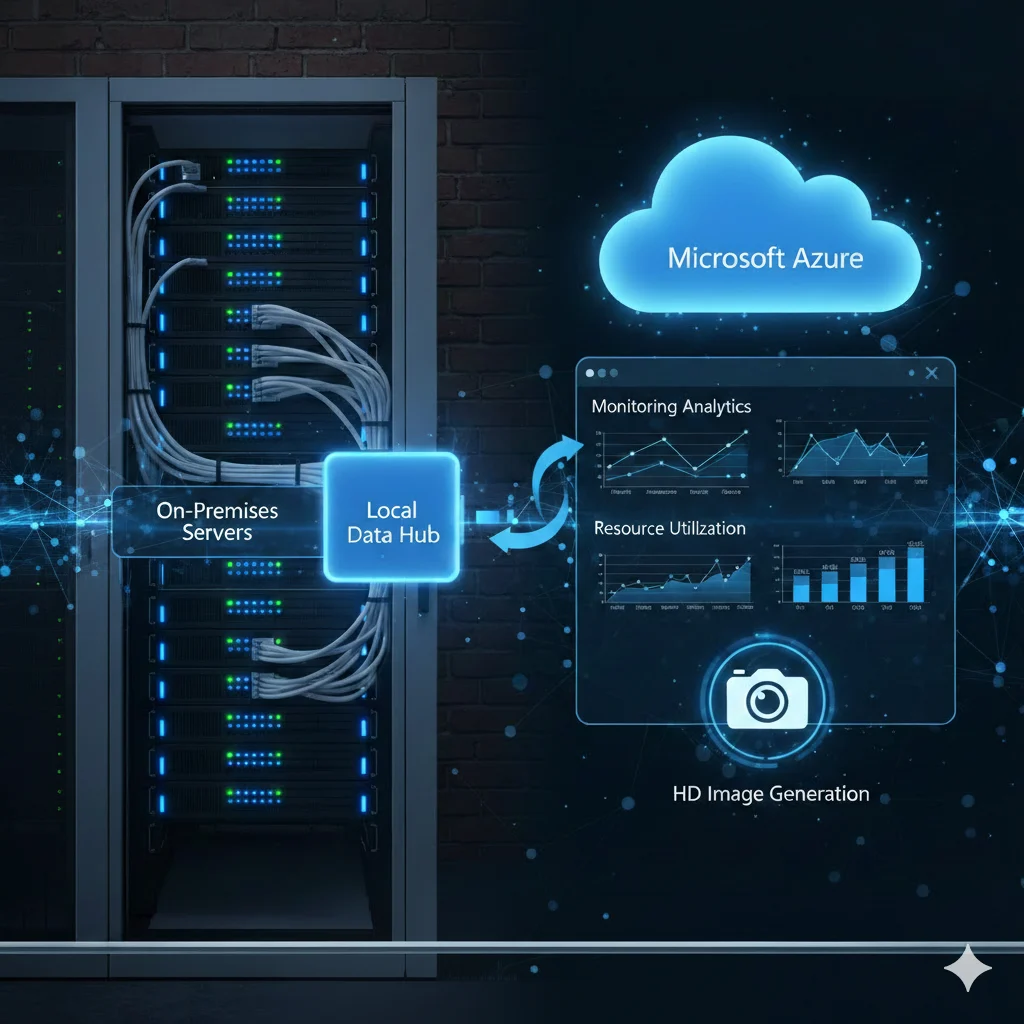
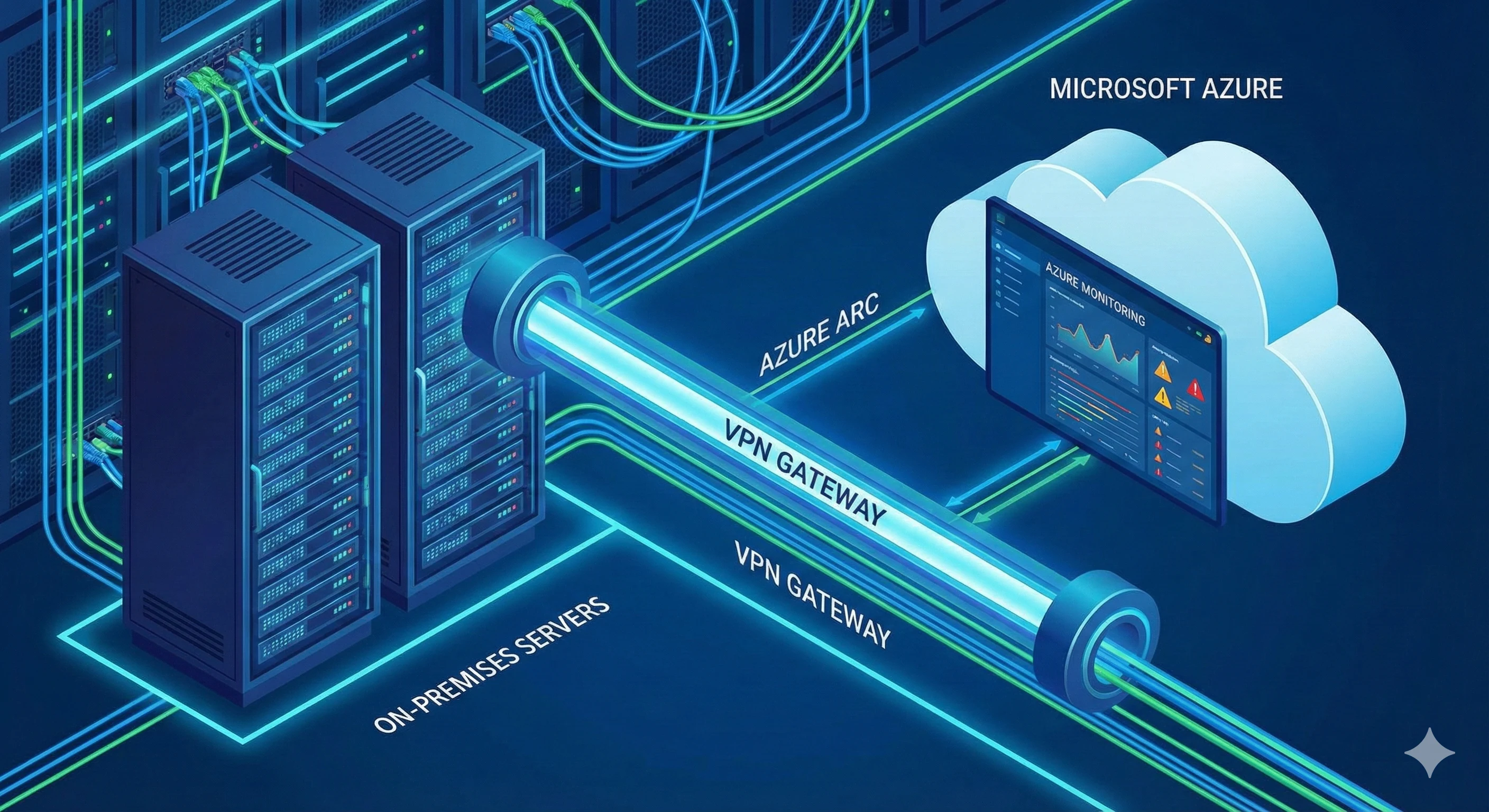
Ways to Connect On-Premises Servers to Azure for Monitoring
Three ways to connect on-premises servers to Azure Monitor: Azure Arc, Log Analytics, and VPN.
Discover More: Ways to Connect On-Premises Servers to Azure for MonitoringWhy Choose Us?
The advantages that set our team apart: container and Kubernetes expertise, microservices design experience, and delivery pipelines that scale with your business.
Frequently Asked Questions
How much does cloud native app development cost?
Cost depends on your application's scope, current architecture, and target cloud platform, so we do not quote a flat rate here. Visit our pricing page or contact us for an estimate based on your specific project.
How long does it take to build a cloud-native application?
Industry-typical timelines for a first production release run 12 to 20 weeks, depending on scope, complexity, and how much of your stack needs to move into containers. Migrating an existing monolith into microservices usually takes longer than building a new cloud-native app from scratch.
What does KPThink's cloud native app development process look like?
We start by designing the application architecture around your users and workload, then build and containerize the application with your engineering team. From there we automate the CI/CD pipeline for multi-environment deployment, and follow up with production hardening and ongoing optimization as your traffic grows.
What do we need ready before starting a cloud native app development engagement?
You'll need access to your target cloud account on AWS or Azure, a defined application scope or product backlog, and a technical stakeholder available for design and code reviews. Existing architecture diagrams or API specs help us move faster, but they are not required to get started.
Latest from our blog
Explore expert insights, industry trends, and practical strategies shaping modern cloud, security, and digital transformation.