
Cloud Computing Security Solutions for Modern Enterprises
The cloud computing environment is based on a shared responsibility model. Customers are responsible for the cloud computing security of their data in the cloud, even though the cloud infrastructure itself is highly secure.
Our Cloud Computing Security Competencies
Our cloud security expertise helps you safeguard workloads, manage identity risk, and maintain compliance across every cloud platform you run.
Improved Performance
Security controls such as AWS WAF, AWS Shield, Azure Front Door WAF, and Azure DDoS Protection absorb attacks at the edge, so malicious traffic does not degrade performance for real users.
Cost Reduction
Native services such as Microsoft Defender for Cloud, AWS Security Hub, and Amazon GuardDuty are billed by usage, which can cost less than buying and maintaining equivalent security appliances.
Speed to Market
When security checks are automated in the pipeline, teams can release quickly without waiting on a manual security review for every change.
Technical Talent
Clear guardrails and automated checks let engineers work quickly within safe limits, instead of relying on a small security team to approve every change.
Future-Proofing Capabilities
Services such as AWS Security Hub, Microsoft Defender for Cloud, and Azure Policy continuously check your environment against current best practices, so your security posture keeps pace as standards change.
Security and Compliance
We treat compliance as part of security design, not a separate exercise: identity protection, data protection, and logging are configured so that the evidence auditors ask for is already being collected.
What We Do
We protect cloud data, manage identities, and harden applications, building compliance and resilience into every layer of your environment.

Security Baseline",
We review your environment against established baselines such as the CIS Benchmarks and the AWS and Microsoft security benchmarks, checking security groups and network rules, least-privilege access, and multi-factor authentication, then fix the gaps in priority order.

Secure Coding
Modern cloud apps need specific security precautions during development. We check your code against the vulnerabilities defined in the OWASP Top 10 and fix what we find.

DevSecOps
We add security checks to your delivery pipeline, including dependency and container image scanning, static analysis, secrets detection, and infrastructure-as-code policy checks, so issues are caught before release rather than after.

Vulnerability and Compliance
If you must meet a standard such as PCI DSS or HIPAA, we map its technical requirements to your cloud configuration, run vulnerability scanning, and help you remediate and collect evidence. Formal certification or attestation still comes from a qualified assessor.
Benefits of cloud security
Threat detection, identity governance, encryption policy, and audit logging, configured to your compliance requirements rather than generic baselines.
Advanced Protection Without Heavy Investment
Cloud-native security services protect business data without buying and maintaining expensive on-premises security hardware.
Continuous Monitoring and Threat Detection
Real-time monitoring helps find risks early, which means there is less chance of downtime and breaches.
Automatic Updates and Patching
Managed services and automated patching keep operating systems and platforms up to date, closing known vulnerabilities faster than manual maintenance windows.
Strong Data Backup and Recovery
Built-in backup and disaster recovery ensure your data stays safe and accessible, even during unexpected events.
Scalable Security as Your Business Grows
Your security measures can easily grow along with your workloads, so you will be safe even when demand is high.
Simplified Compliance and Governance
Cloud platforms map many of their controls to common standards, which makes it easier to follow the rules and prepare for audits.
How We Achieve Results
We assess your cloud environment first, then harden identities, workloads, and data against real threats. From there, we stand up continuous monitoring and incident response so new risks get caught before they become breaches.

Threat Detection and Proactive Risk Intelligence
Centralize security logs and alerts in a SIEM such as Microsoft Sentinel, tune detection rules to your environment, and define who responds to what, so real attacks are spotted quickly and handled consistently.

Cloud Data Protection and Governance
Find and classify sensitive data wherever it is stored, apply encryption with keys you control, and set retention and access rules that match how the data is used.

Role-Based Access Control (RBAC) and Identity Management
Grant access by role, with least privilege and just-in-time elevation for administrative tasks, across your AWS, Azure, and hybrid environments, and review it regularly so old permissions do not accumulate.

Secure Workload Design and Management
Design workloads with secure defaults: private networking, hardened images, managed secrets, and patching that happens automatically, then keep them compliant with policy checks over time.
Related guides from our team
Practical guides from the KPThink team on the cloud topics that come up most often in this kind of engagement.

Benefits of Using Microsoft Intune for Your Business
In today’s digital-first world, managing devices and ensuring data security is more...
Discover More: Benefits of Using Microsoft Intune for Your Business
What Are the Ways to Reduce Costs in Any Cloud Platform?
Eight proven strategies to cut cloud costs, from right-sizing to reserved instances and spot compute.
Discover More: What Are the Ways to Reduce Costs in Any Cloud Platform?
How to Upgrade Appian HA to the Latest Version
Appian is a leading platform for enterprise automation, helping organizations cut process bottlenecks and reduce the manual work that slows teams down.
Discover More: How to Upgrade Appian HA to the Latest Version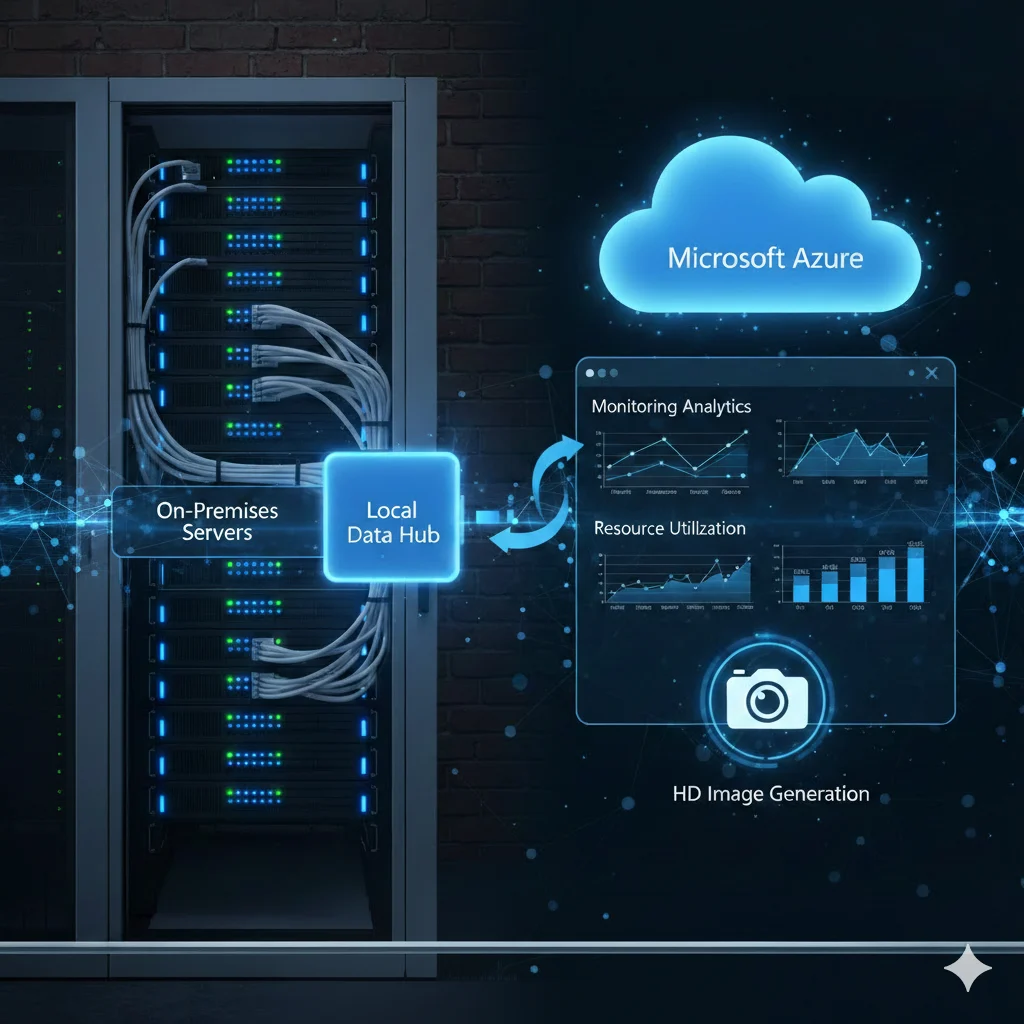
Ways to Connect On-Premises Servers to Azure for Monitoring
Three ways to connect on-premises servers to Azure Monitor: Azure Arc, Log Analytics, and VPN.
Discover More: Ways to Connect On-Premises Servers to Azure for MonitoringWhy Choose Us?
The advantages that set our team apart: security-first delivery, cloud expertise, and support that scales with your business.
Not sure your cloud security setup would hold up under a real audit?
Frequently Asked Questions
How much does a cloud security engagement cost?
Cost depends on the size of your cloud environment, the number of workloads in scope, and how deep the assessment needs to go. Check our pricing page for current packages, or request a scoping call and we will quote your project based on its actual requirements.
View our pricing pageHow long does a cloud security assessment take?
Industry-typical cloud security assessments take 2 to 4 weeks, depending on the size and complexity of your environment. Remediation timelines depend on what the assessment finds, since some fixes take days and others require deeper infrastructure changes.
What does KPThink's cloud security process look like?
We start by assessing your environment for real threats and risk exposure, then harden identity, access, and workload configurations. From there, we put continuous monitoring and threat detection in place using tools like Microsoft Sentinel, and prepare incident response plans so your team can react fast.
What do we need to provide before an engagement starts?
You need to give us access to your current cloud environment and IAM configuration, plus a named security stakeholder on your team. If you already operate under a compliance framework such as HIPAA or PCI DSS, share those requirements upfront so we can scope the assessment accordingly.
Latest from our blog
Explore expert insights, industry trends, and practical strategies shaping modern cloud, security, and digital transformation.